What is Dual Diagnosis?

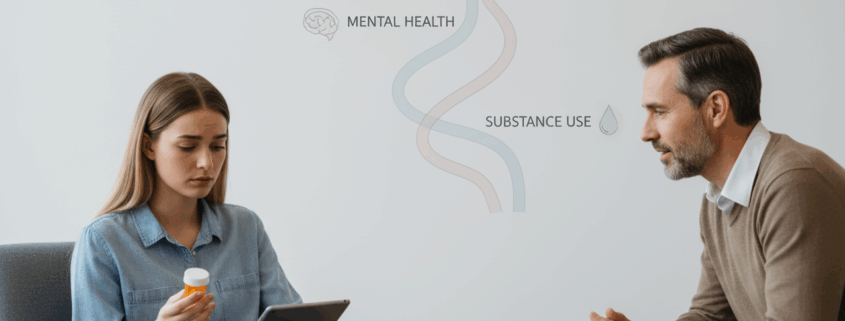
“Dual diagnosis” (also called co-occurring disorders) refers to the situation when someone has both a mental health disorder and a substance use disorder at the same time. For example, someone might be dealing with depression or anxiety while also grappling with alcohol or drug abuse. It’s important to understand that one condition doesn’t always cause the other; rather, they often fuel and amplify each other.
Dual diagnosis involves complex psychiatric symptoms that require integrated assessment and treatment services. People with severe mental illness, such as bipolar disorder or schizophrenia, are at higher risk of developing substance abuse problems, including addiction to illicit substances or alcohol. Studies suggest that about half of individuals with mental disorders also experience substance use disorders at some point in their lives, according to data from the National Institutes of Health and mental health services administration.
Why the Intersection Matters: Shared Risk Factors and Impact
When mental health disorders and substance abuse co-occur, each condition can worsen the other’s symptoms and complicate recovery. For instance, untreated generalized anxiety disorder or post traumatic stress disorder (PTSD) may lead someone to self-medicate with drugs or alcohol, which can trigger withdrawal symptoms and further psychiatric problems. Conversely, substance abuse can exacerbate mental health symptoms like depression or mood instability.
Shared risk factors such as trauma, genetic predisposition, social isolation, and stress contribute to the development of both mental disorders and substance use disorders. Family members and social support networks play a crucial role in helping individuals remain sober and engaged in treatment programs that offer behavioral therapy and medication management.
Common Mental Health & Addiction Pairings
Some of the more common dual diagnosis combinations include:
- Major depressive disorder paired with alcohol or drug use disorder.
- Anxiety disorders, including generalized anxiety disorder and PTSD, alongside substance misuse, as individuals attempt to ease emotional distress.
- Attention deficit hyperactivity disorder (ADHD) with co-occurring substance abuse, which can complicate both psychiatric conditions and addictive behaviors.
- Bipolar disorder, schizophrenia, or other severe mental illnesses occurring alongside addiction and behavioral addictions like pathological gambling.
Because each person’s experience is unique, no two dual diagnosis cases look exactly the same, highlighting the need for tailored treatment programs and coordinated psychiatric services.
Recognizing the Signs of Dual Disorders
Some warning signs someone may be dealing with a dual diagnosis include:
- Persistent substance abuse despite negative impacts on a person’s daily life, including work, school, or relationships.
- Mood swings, extreme irritability, worsening anxiety, or sudden changes in behavior.
- Difficulty maintaining responsibilities alongside substance use.
- Using substances to cope with emotional pain or trauma (self-medication).Previous treatment attempts for addiction or mental health separately, but with limited success due to lack of integrated care.
Why Integrated Treatment is Critical for Dual Diagnosis
Treating dual diagnosis effectively means addressing both the mental health disorder and the addiction simultaneously through integrated treatment programs.
Key treatment approaches include:
- Therapy: Evidence-based behavioral therapies such as Cognitive Behavioral Therapy (CBT), Dialectical Behavioral Therapy (DBT), and trauma-informed therapy help individuals manage psychiatric symptoms and addictive behaviors.
- Medication Management: When appropriate, medications may be used to stabilize mood, treat psychiatric conditions, and alleviate withdrawal symptoms during substance abuse treatment.
- Holistic & Supportive Care: Addressing lifestyle factors, wellness, peer support groups, family involvement, and ongoing emotional and social support are essential components of recovery.
- Coordinated Care: A multidisciplinary team of addiction counselors, psychiatrists, therapists, and mental health services administration professionals work together to provide comprehensive care.
By focusing on both sides of the equation, integrated treatment improves engagement, reduces relapse risk, and supports long-term recovery.
How BNI Clinics Supports Dual Diagnosis Treatment
At BNI Clinics, we recognize the complex interplay between mental health and addiction and tailor our dual diagnosis program accordingly:
- We begin with a thorough integrated assessment that explores substance use patterns and mental health history to identify co-occurring disorders.
- Our treatment services combine addiction therapy and mental health care in one unified program; no separate, siloed tracks.
- We provide medication management alongside behavioral therapy to address both psychiatric symptoms and addictive behaviors.
- Our team offers ongoing support and aftercare, including social support and peer recovery groups, to help clients maintain momentum and remain sober.
- We understand the challenges of dual disorders and guide individuals through the multi-layered healing process with compassionate, evidence-based care.
Moving Forward: Taking the Next Step
If you or a loved one are facing the challenges of both an addiction and a mental health condition, help is available. Recognizing a dual diagnosis is the first step toward recovery. Choosing a treatment program that offers integrated assessment and evidence based treatments designed for co-occurring mental and substance use disorders is critical.
Contact BNI Clinics for a confidential consultation and discover how our dual diagnosis-informed approach can help you move from surviving to thriving.
Call (310) 691-5005 for a FREE CONSULTATION or fill out our FORM:


General Clinic FAQs
What conditions do BNI Clinics treat?
BNI Clinics evaluate and treat a wide range of neurological and mental health conditions, including anxiety, depression, ADHD, PTSD, memory issues, migraines, sleep disorders, and brain-related performance concerns. Each patient receives a personalized care plan from licensed clinicians.
Who will be assessing or treating me?
All assessments and treatments at BNI Clinics are carried out by qualified, licensed healthcare professionals, including neurologists, psychiatrists, psychologists, and certified therapists. Our team follows evidence-based guidelines and continues to undergo ongoing clinical training.
How does BNI diagnose brain-related conditions?
Diagnosis is done through a structured, clinical process that may include a physical exam, neurological evaluation, mental health screening, cognitive testing, and, when appropriate, advanced diagnostic tools. We use validated, research-backed methods aligned with global clinical standards.
Do I need a referral to visit BNI Clinics?
Most patients do not need a referral. You may schedule an appointment directly. However, some insurance plans may have referral requirements, and our team can guide you based on your coverage.
What happens during my first visit?
Your first appointment includes a detailed consultation with a clinician to review your symptoms, medical history, lifestyle factors, and goals. You will receive a clear explanation of any recommended tests, next steps, and treatment options.
Are the treatments at BNI Clinics evidence-based?
Yes. All therapies, medications, and clinical protocols offered at BNI Clinics follow evidence-based standards, supported by current research, clinical guidelines, and real-world patient outcomes.
Can BNI help if I have already tried treatments elsewhere?
Many patients come to BNI Clinics after trying other providers or treatment options. Our multidisciplinary team can review your past records, reassess your condition, and offer a more comprehensive or targeted care plan.
How long does treatment usually take?
Treatment duration varies based on the condition and severity. Some patients see improvement within weeks, while chronic or complex cases may require longer monitoring. Your clinician will outline a realistic timeline during your consultation.
Is my information kept confidential?
Yes. We follow all required medical privacy regulations, including HIPAA (if US-based). Your personal and medical information is securely stored and never shared without your consent.
Do BNI Clinics support ongoing care and follow-ups?
Yes. After your initial diagnosis and treatment plan, our clinicians schedule regular follow-ups to track progress, adjust treatment, and ensure long-term wellness.